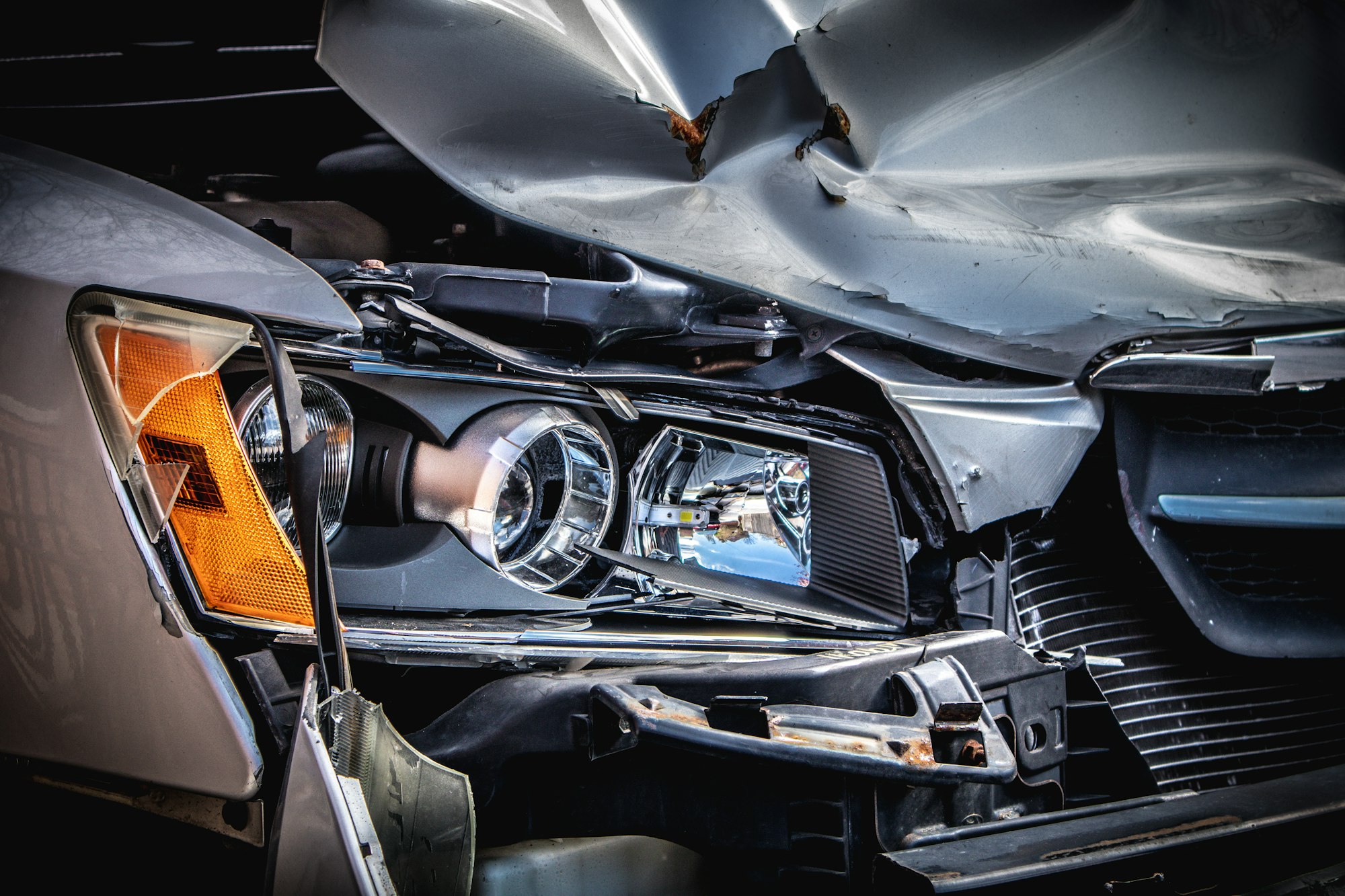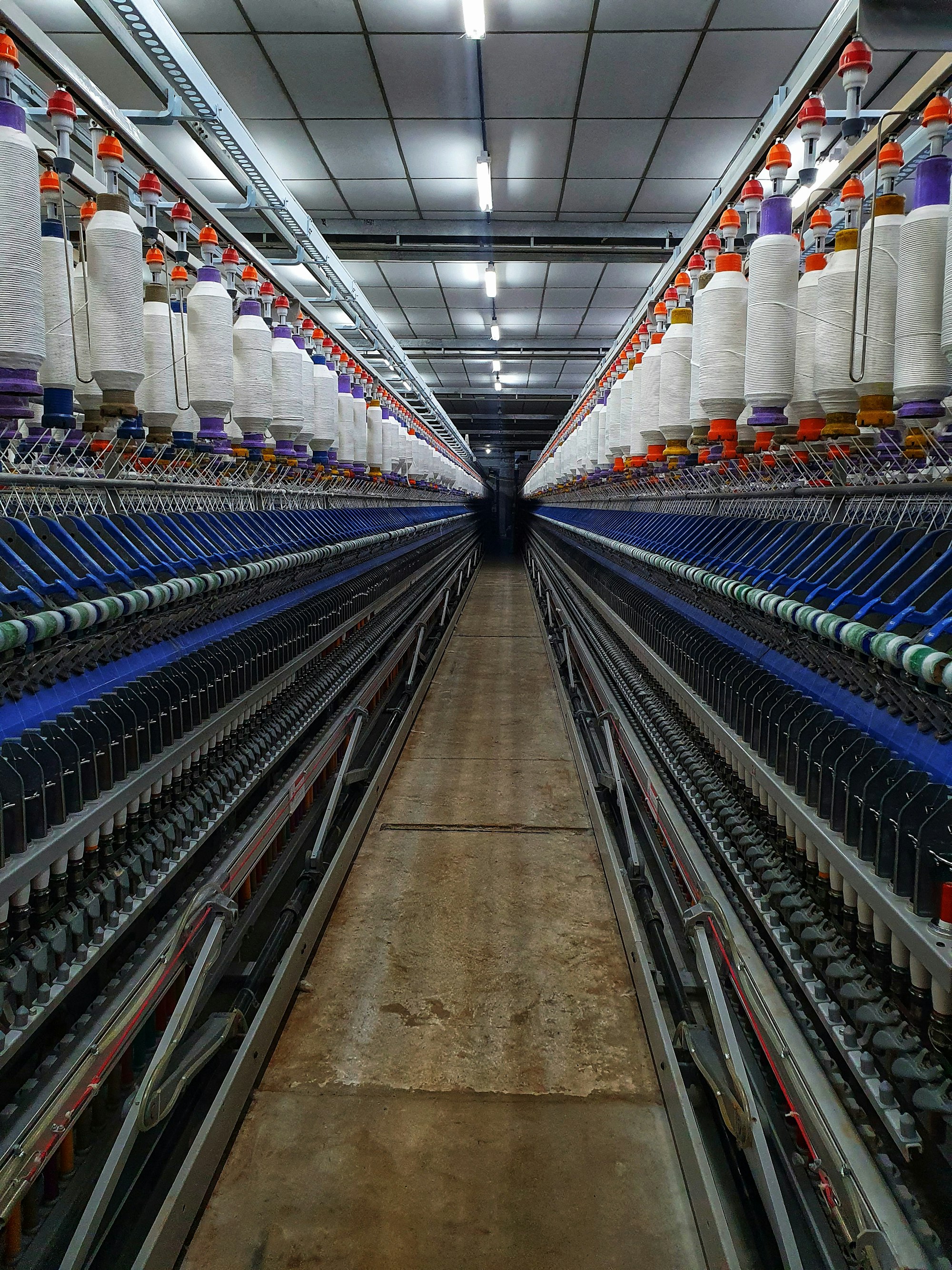
Fire is the single largest risk a textile unit carries: cotton and yarn stock, machinery, and a building that all sit under one roof. Here is how a typical warehouse fire claim unfolds for a Coimbatore spinning mill, and where the recovery is won or lost.
Client details in this walkthrough are anonymised and figures are illustrative — every policy and loss is different.
The night of the loss
A fire starts in the finishing section and spreads to an adjoining stock room. Production stops. Under a standard fire and special perils policy, three heads of claim usually apply:
- Building and structures — walls, roofing, electricals.
- Machinery and equipment — at reinstatement (new-for-old) value if the policy is set up that way.
- Stock of cotton, yarn and finished goods — at market value on the date of the loss.
The first 48 hours decide the tone of the whole claim
- Intimate the claim immediately. The insurer's surveyor must inspect before disturbed stock is moved. Your broker should be on this call with you.
- Fire brigade report — obtain it; insurers ask for it in almost every material fire claim.
- Photograph everything before cleanup, including the stock layout.
- Quarantine the damaged stock — partial salvage is common in textile losses and directly reduces the insurer's outgo, which keeps the settlement conversation cooperative.
Where claims typically stall — and how to avoid it
Underinsurance. Stock figures are declared at the start of the policy year; six months of production later, the godown holds more. If the declared value is half the actual stock at loss, the average clause can proportionately reduce even a fully genuine payment. Review stock declarations at every renewal — this is the single most common shortfall we see in mill claims.
Incomplete records. Yarn counting, purchase invoices, production registers — the surveyor will reconcile stock physically against books. Clean books move the claim; gaps extend it.
Reinstatement vs indemnity on machinery. If the policy pays market value (indemnity) for a five-year-old machine, the mill tops up the difference from its own pocket. Reinstatement cover costs more at renewal and pays new-for-old at claim — usually worth it for critical spinning machinery.
The restart
With the surveyor's report and documentation in order, settlements in straightforward mill fires typically conclude in a few months, and advance payments against surveyed losses can fund partial restarts earlier. Stock claims settle fastest; machinery, where imports or custom fabrications are involved, takes longer.
What we do differently
Our claims desk stays with the file from the first intimation call to the final settlement — coordinating the surveyor visit, reviewing the surveyor's computation sheet line by line, and pushing for advance payments where cash flow is tight. That is what a broker is for: the insurer sells the policy; we stand on your side of the table at the claim.
If your unit's stock declarations haven't been reviewed since the last renewal, that is today's task. Talk to us and we'll do a free gap review of your fire policy.